
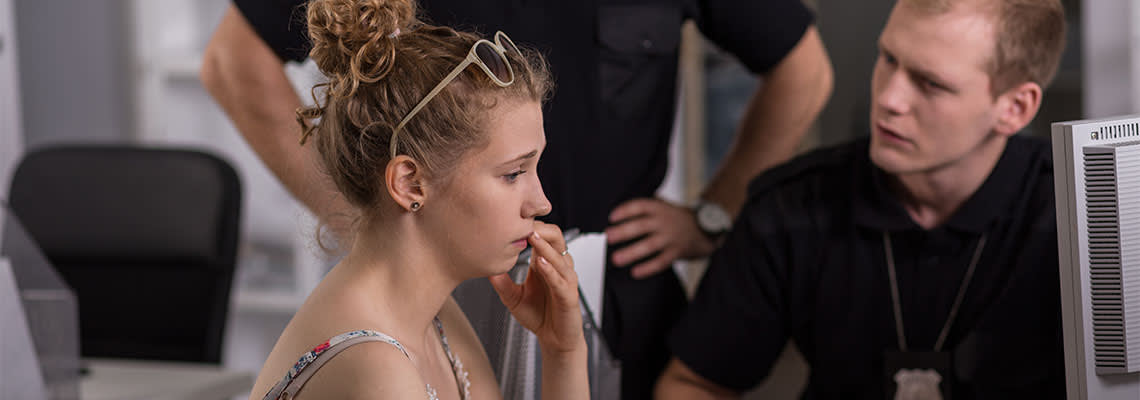
When Statements Can Be Thrown Out Because of Miranda Violations
Being questioned by the police can feel overwhelming, especially when you’re scared, confused, or unsure of your rights. Many people assume that anything they say will automatically be used against them, even if the conversation felt informal or rushed.
If you weren’t clearly told your rights or felt pressured to speak, that experience can linger long after the questioning ends. I see how unsettling it is when you’re left wondering whether something you said might hurt your future, and that concern is completely valid.
At the Law Offices of Ravert J. (Jay) Clark, I help people who believe their rights were ignored during police questioning and who are now facing serious criminal charges. If you’re in Cincinnati, Ohio, or anywhere throughout Ohio, you don’t have to face these concerns alone. Reach out to discuss what happened and the options available.
What Miranda Rights are Meant to Protect
Miranda rights exist to protect you from being compelled to incriminate yourself during a custodial police interrogation. These rights stem from a U.S. Supreme Court decision and are intended to level the playing field between law enforcement and individuals being questioned. When officers fail to respect those protections, Miranda violations occur.
Police are generally required to inform you of your rights when two conditions are present: you’re in custody, and you’re being interrogated. Custody doesn’t always mean handcuffs or a jail cell. It can include situations where a reasonable person wouldn’t feel free to leave. Interrogation includes direct questions and actions meant to prompt a confession.
If those conditions are met and you weren’t properly advised of your rights, statements you made can be challenged. Miranda violations can make a major difference in whether certain evidence is allowed in court, which can shape the entire direction of a case. Speaking with a trusted criminal defense attorney is vital when building a case.
Situations Where Statements May Be Thrown Out
Not every conversation with police requires Miranda warnings, which is why these cases often hinge on specific details. Miranda violations commonly arise in situations that don’t look dramatic on the surface but still carry legal weight. Situations that raise concerns:
Police questioned you after your arrest without reading your rights
You were told you weren’t free to leave, but weren’t advised of your rights
Officers continued questioning after you asked for a lawyer
Interrogation resumed after you clearly said you didn’t want to answer questions
You were questioned in a coercive or intimidating environment
Each of these situations can support an argument that your statement shouldn’t be used against you. An experienced lawyer will carefully review the timing, setting, and tone of the questioning to identify Miranda violations that might otherwise be overlooked.
It’s also important to note that even partial violations can matter. If some statements were made before proper warnings and others after, earlier statements will still be excluded, thereby weakening the prosecution’s case overall.
How Police Actions Can Lead to Miranda Violations
Miranda violations don’t always happen because an officer intentionally ignores the law. Sometimes they occur because officers believe the situation doesn’t qualify as custody or interrogation, even when it does. Other times, questioning escalates quickly without proper safeguards.
Problems often arise when police create a sense of pressure. That pressure will come from repeated questioning, implied consequences, or suggesting that cooperation will “make things easier.” Even subtle tactics can cross the line when you’re effectively deprived of the ability to choose whether to speak.
Another issue arises when officers continue talking after you’ve invoked your rights. Once you ask for a lawyer or clearly state that you don’t want to answer questions, questioning is supposed to stop. When it doesn’t, any subsequent statements will be suppressed due to Miranda violations.
These details matter because courts closely examine how an interaction unfolded. A small shift in wording or behavior can determine whether a statement stays in or is thrown out.
Why Excluding Statements Matters in a Criminal Case
When a statement is excluded due to Miranda violations, it can significantly alter the prosecution’s strategy. Statements are often central to a case, especially when physical evidence is limited or unclear. Removing them will weaken the state’s ability to prove guilt beyond a reasonable doubt.
Excluding statements can also affect related evidence. In some cases, information gained from an improper statement leads police to additional evidence. That follow-up evidence will also be challenged if it stems directly from a Miranda violation.
From your perspective, this can open doors to better outcomes. Reduced charges, more favorable plea discussions, or even dismissal will become possible when key statements are no longer admissible. I focus on helping my clients understand how Miranda violations fit into their broader defense, rather than viewing them in isolation.
Steps to Take After Police Questioning
If you believe your rights were ignored, timing matters. The sooner a defense addresses possible Miranda violations, the better positioned you are to challenge improper statements before they influence the case. Steps to take after questionable police questioning:
Write down everything you remember about the interaction
Note where it happened, who was present, and what was said
Avoid discussing the incident with anyone other than your attorney
Ask questions about whether your rights were properly honored
These steps help preserve details that can fade quickly but are vital in court. Miranda violations are often proven through careful reconstruction of events, and your recollection plays a key role in that process. By raising these issues early, I can help clients push back against evidence that shouldn’t be used against them and protect their constitutional rights from further harm.
When Miranda Violations Affect Your Peace of Mind
At the Law Offices of Ravert J. (Jay) Clark, I take concerns about Miranda violations seriously because your rights matter from the very first police interaction. If you’re in Cincinnati, Ohio, or anywhere throughout Ohio, I’m here to help you take control of your situation and push back against unlawful questioning. Reach out to me today to talk about what happened and how I can help protect your future.